University of Leeds, 20 March 2026
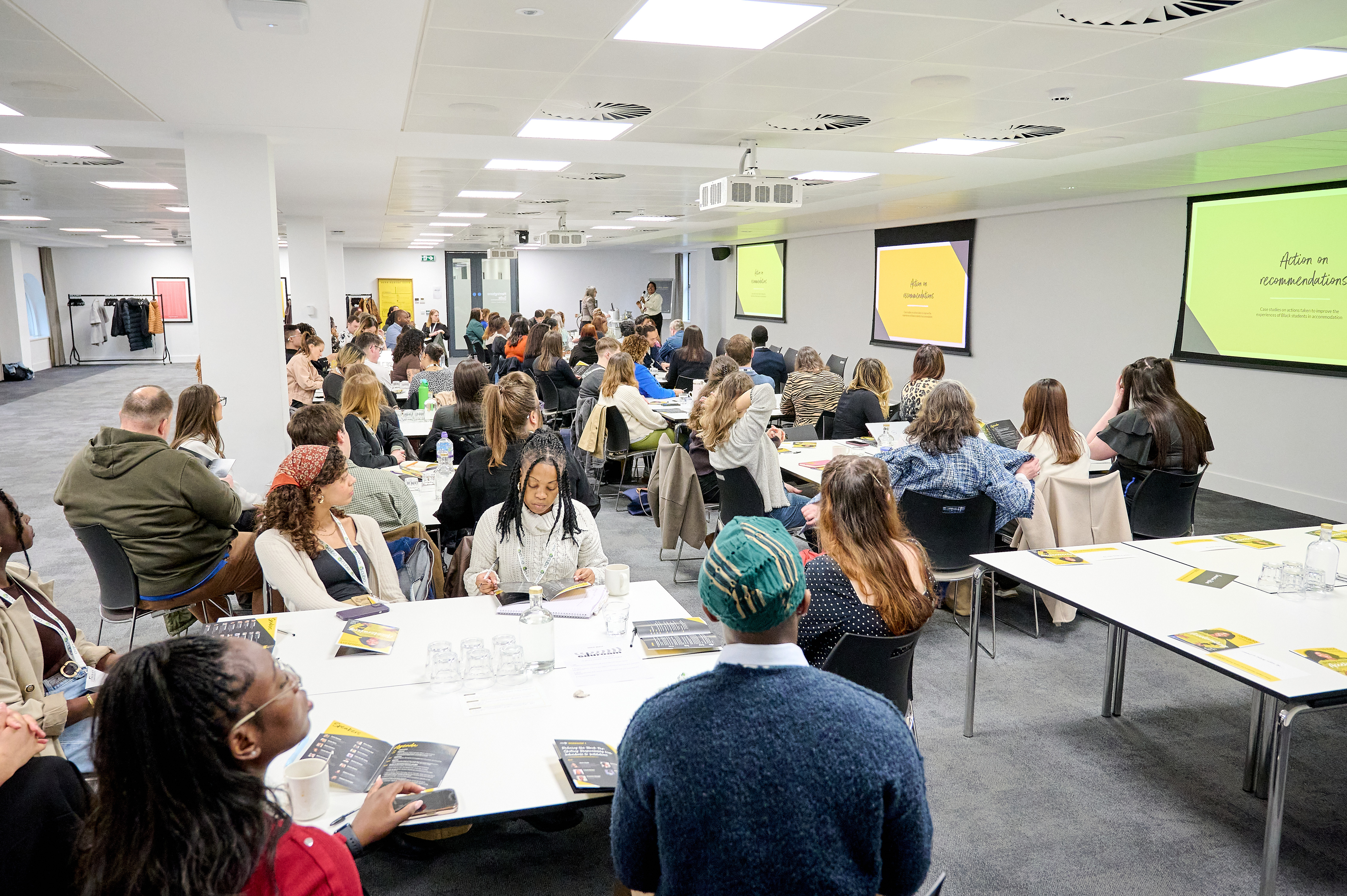
On 20 March 2026, colleagues from across higher education, accommodation providers, student services and sector partners came together at the University of Leeds for the Living Black at University Conference 2026. The theme, Breaking Barriers and Accelerating Systemic Change, framed a day focused on honest conversation, lived experience and practical action.
With institutions continuing to navigate questions around racial equity, belonging and student safety, the programme offered space to reflect, learn and leave with tangible steps for creating environments where Black students can live, learn and belong.
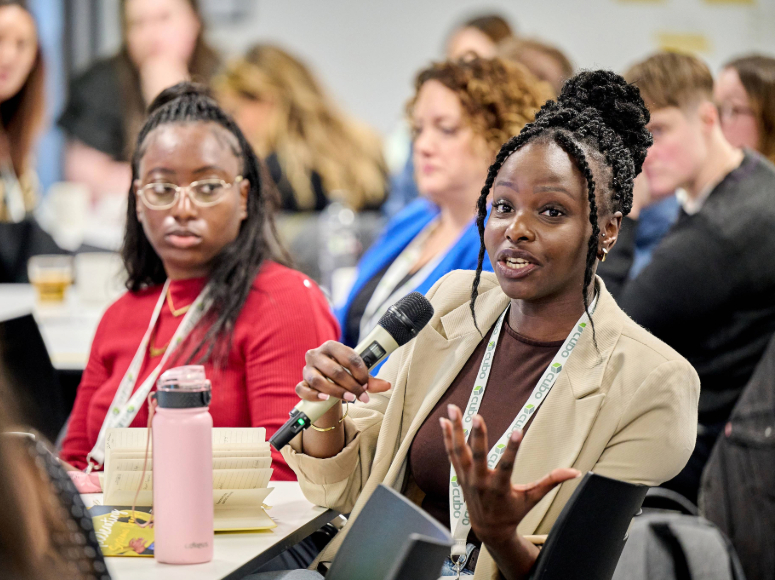
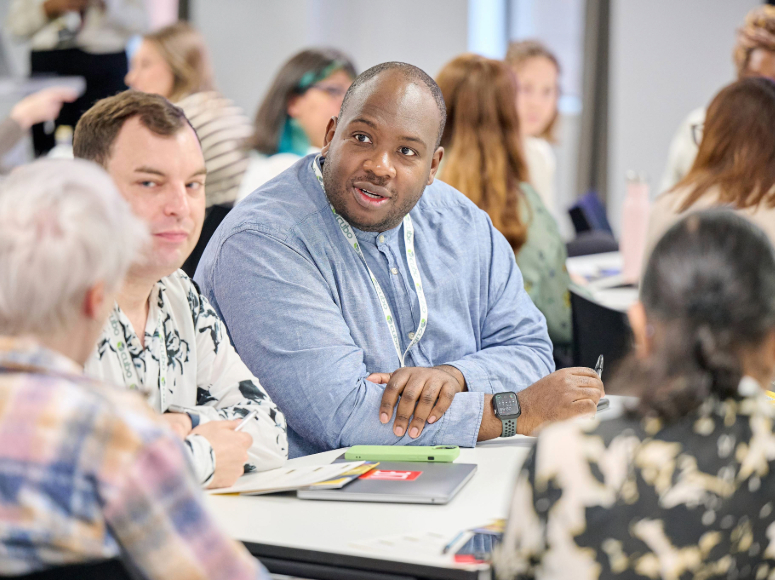

The day began with a welcome from Louise Banahene (Director of Student Success and Educational Engagement at University of Leeds), who reflected on Leeds’ ongoing journey towards becoming an anti‑racist institution. She emphasised the importance of removing structural barriers and involving Black students and staff meaningfully in decision making.
Unite Students’ Chief Operating Officer, Karan Khanna, highlighted accommodation as a key part of student experience, influencing everything from wellbeing to sense of community.
The first panel brought together researchers, practitioners and lived experience contributors to explore progress on the Living Black at University recommendations.
by Iman Federico Awi
Researcher Iman Federico Awi shared insights from postgraduate students, describing belonging as something shaped by institutional systems. She spoke about the impact of racism, microaggressions, and the lack of racial literacy and representation in postgraduate study. Her call was clear: belonging should be built into support, supervision, reporting routes and policy.
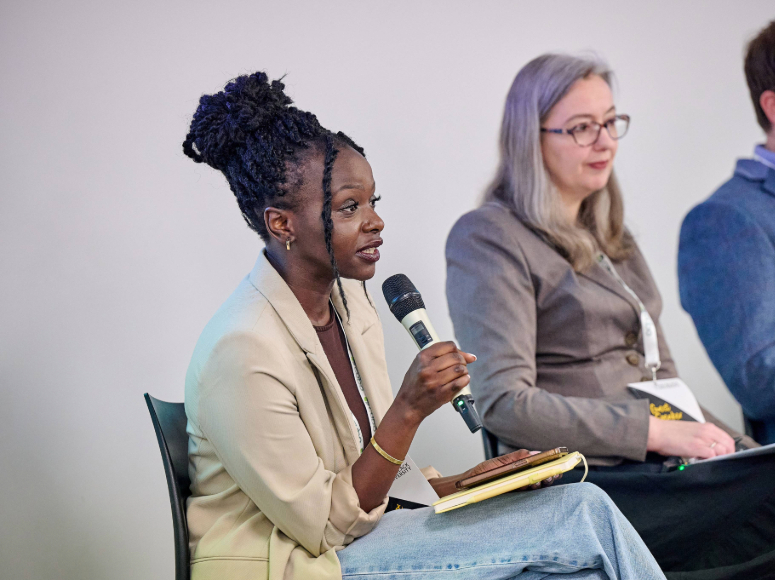
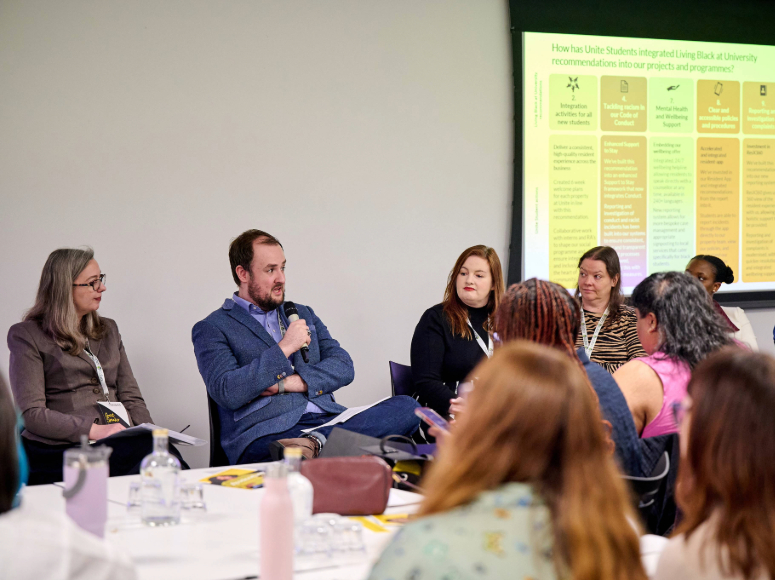
by Luke van der Kooij
Luke van der Kooij from Unite Students outlined how the organisation has been embedding LBU recommendations into its resident experience work. This includes six‑week welcome plans for every property, clearer reporting and conduct processes, culturally competent wellbeing support, and new digital tools. Much of this work has been shaped by insight from more than 10,000 Black interns across Unite’s programmes.
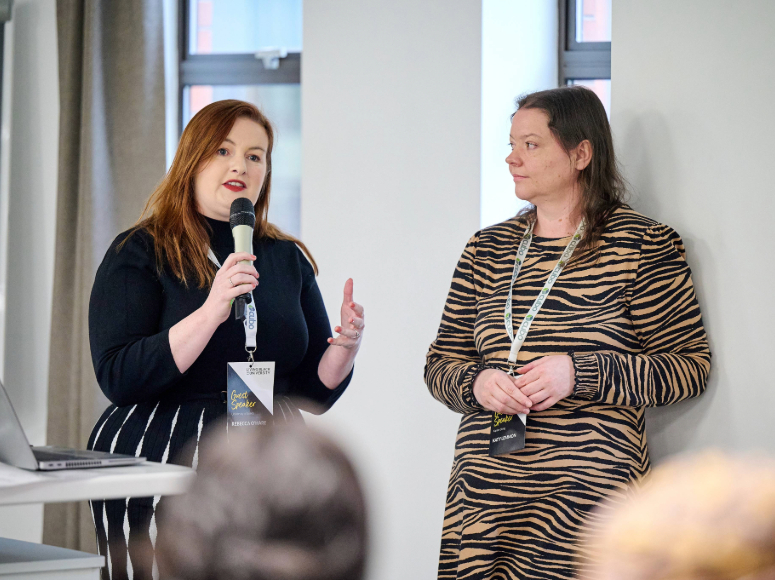
by Rebecca O’Hare and Katy Lemmon
Rebecca O’Hare and Katy Lemmon explored how traditional flat agreements often fall short for diverse communities. They highlighted the issues with generic, symbolic agreements and offered a new behavioural commitment model focused on setting clearer expectations and creating communities that actively embed inclusion and safety.
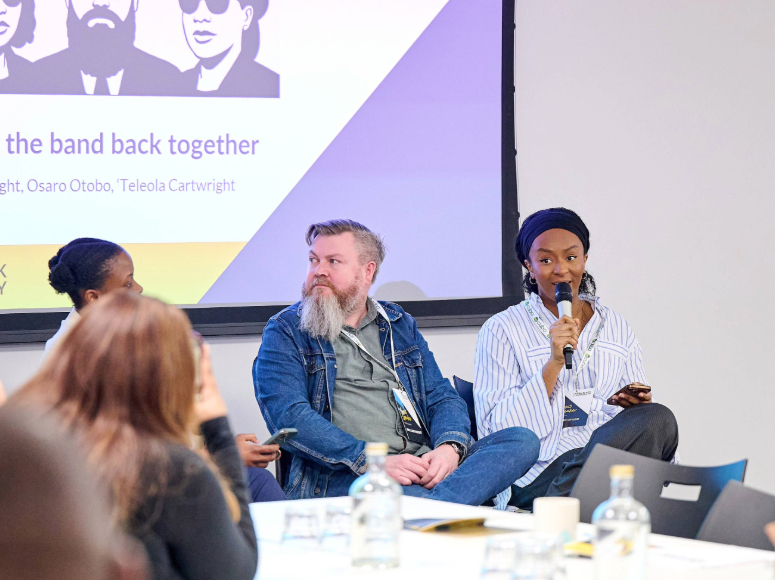
by Osaro Otobo, Dr Nick Cartwright and ’Teleola Cartwright
The panel also included a preview of the forthcoming Living Black at University book, introduced by Osaro Otobo, Dr Nick Cartwright and ’Teleola Cartwright. The book explores racialised harm, anti‑racist practice and lived experience, offering practical tools to help institutions move from awareness to action. Their message was simple but powerful: the evidence is clear, the tools already exist and the sector is ready to act. The Living Black at University book will be published on 17 November 2026 and will be available for pre-order from September.
Register interest for the Living Black at University Book.
By Carol Thomas
In the keynote address, Carol Thomas reflected on five years of the Living Black at University movement and the importance of consistent, community‑driven change. She spoke about representation, shared purpose and the launch of the CUBO Black Professionals Network, which was created to support Black staff working across accommodation and campus life. Carol reminded delegates that LBU is not a club but a commitment to transforming the experience of Black students through collective action.
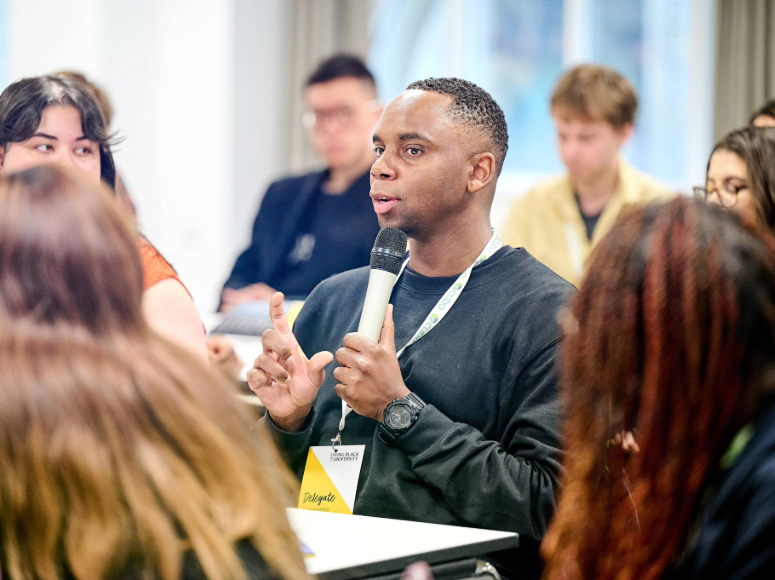


A series of workshops encouraged participants to think about the practical steps they can take to help shift culture and implement change.
This session explored the additional emotional and organisational labour Black students often carry and encouraged colleagues to consider how responsibility can shift from individuals to institutions through clearer systems and fairer resourcing.
In this workshop colleagues were guided through the foundations of clarity, confidence and community in building career momentum. Using reflective techniques and uninterrupted listening, participants were supported to create a simple 30‑day plan for forward progress.
This session explored the difference between symbolic allyship and intentional, everyday action, offering strategies for challenging exclusion and amplifying Black voices.
This workshop highlighted the strategic reasons why Living Black at University matters for senior leaders, including impacts on awarding gaps, continuation, mental health and student recruitment.
Later in the day Alice Chilver also shared the impact of WHEN Equality’s leadership programmes. These include 100 Black Women Professors NOW, 100 Black Women Professional Services Directors NOW and the upcoming 1000 Black Women Professors NOW.
These initiatives focus on targeted, identity‑specific support for Black women while working directly with senior leaders to address structural barriers. The results have been significant: more than 75 percent of the original cohort have progressed in their careers, retention has improved and the number of Black women professors in the UK has more than doubled.
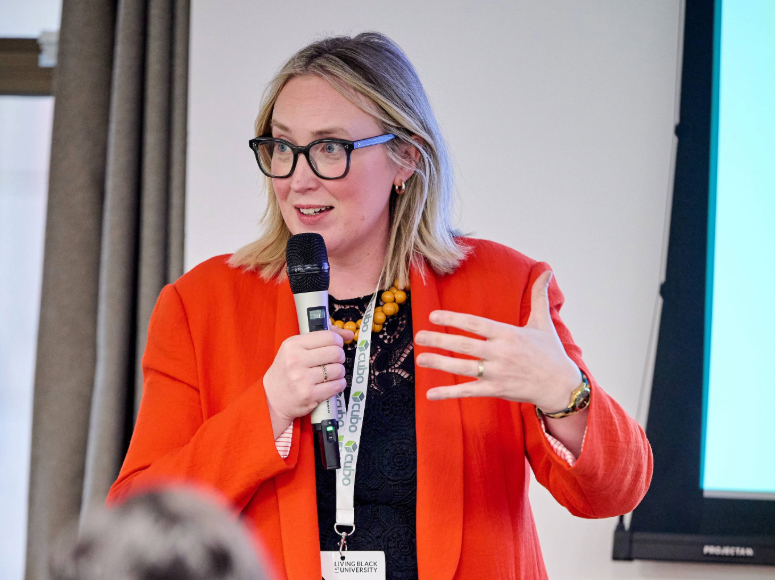
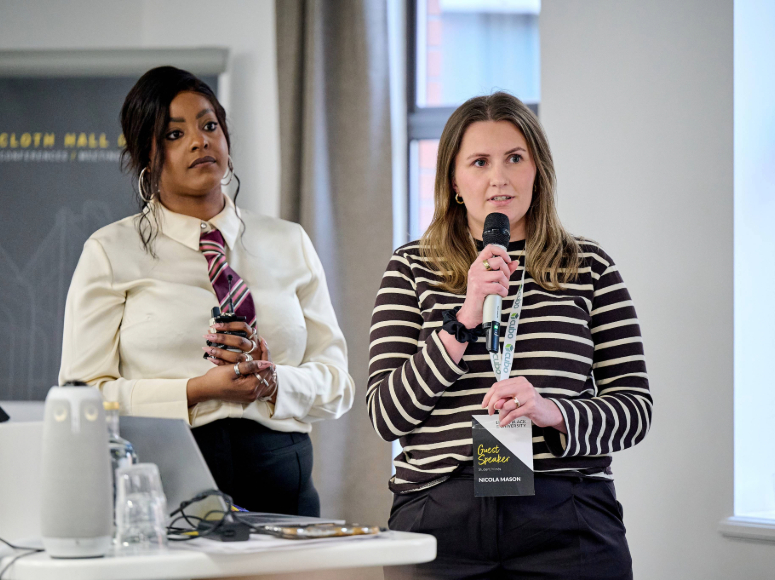
One of the key moments of the day was the launch of the Living Black at University Pledge, introduced by Sam Kingsley and Nicola Mason.
The pledge provides a clear framework for institutions to improve the experiences of Black students and staff. It focuses on leadership accountability, data and transparency, representation, reporting processes, staff and student training, and culturally competent wellbeing support.
Institutions can commit at two levels:
Tier 1, a public commitment to the principles
Or the pilot Tier 2, a developing badging model recognising evidence‑based progress
The pledge encourages long‑term, accountable and measurable action.
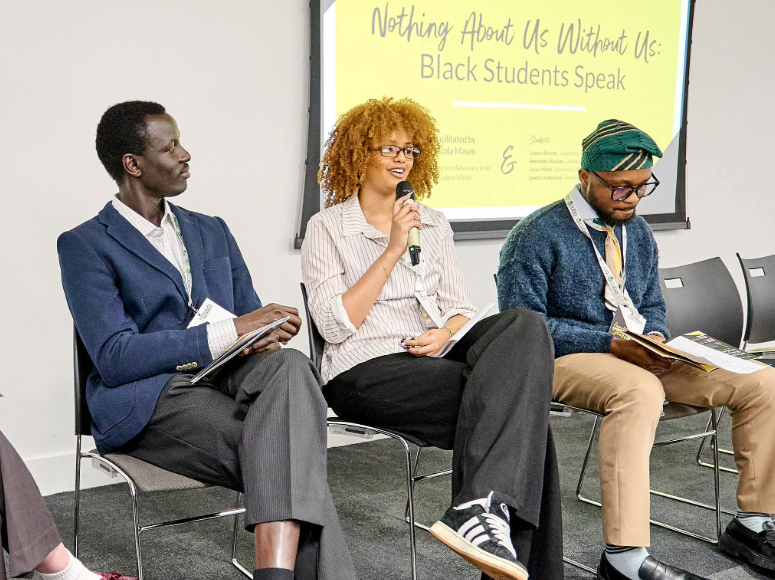
Members of the Black Student Co‑Creation Group shared honest and powerful reflections on their university experiences. They were asked to describe their journey in one word. Responses included “transformative” and “awesome”, with students also sharing moments when they felt seen, supported or empowered.
To close the day, Rebecca O’Hare thanked delegates for choosing to spend their day with the Commission. She encouraged colleagues to take one idea, one learning and one challenge forward into their work and reminded everyone that while barriers are structural, the solutions must be structural too.
Rebecca also thanked Carol Thomas for her leadership as she steps down as Chair of the Commission and encouraged institutions to commit to the Living Black at University Pledge.
If you’d like to see more photos from the day please visit our Living Black at University 2026 Flicker photo album.